Hand Washing Before Home Readings: What Changes
A hand wash before a home blood pressure reading changes the number on the cuff, and usually in one direction. The measurement literature treats clean, dry, bare hands as part of standard preparation rather than an optional courtesy, because residue on the fingers and forearm interferes with readings taken at the brachial artery. The effect is small, but it is systematic — and systematic error is the kind that survives months of logging unnoticed.
What the residue actually does
Most arm cuffs work by sensing pressure oscillations transmitted through the artery wall. Oils, lotions, food residue or soap film left on the skin change how the cuff sits against the arm and how firmly it grips. A cuff that slips by a centimetre mid-inflation produces a different reading than one that holds position. Soap residue also leaves the skin slightly tacky, and a cuff applied over a damp arm can tighten unevenly. The published preparation checklists used in clinical settings typically specify a bare arm, no lotion, and a short seated rest before the cuff goes on. Hand hygiene appears in those checklists less as an infection-control step than as a way of standardising the contact surface. Where hands are cold — common after washing in winter — the literature notes that skin temperature can shift peripheral circulation briefly, which is why many home-monitoring guides recommend waiting a few minutes rather than measuring immediately.
Why consistency matters more than the single reading
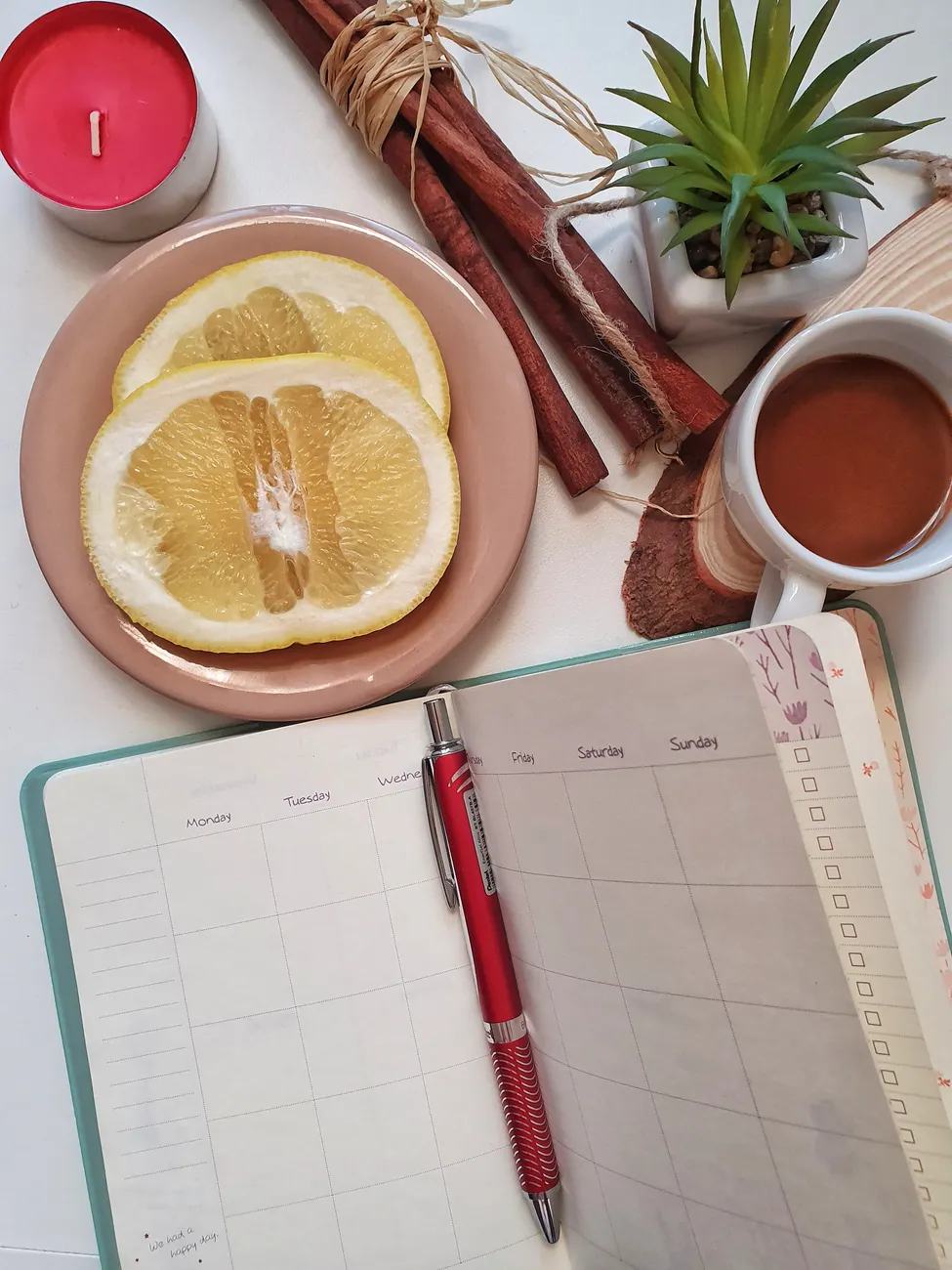
One reading tells almost nothing. The value of home monitoring comes from patterns accumulated over weeks, which is why a symptom tracker or blood pressure log that records time of day, arm used and preparation conditions is more useful than a bare number. A reading taken after washing with cold water and a reading taken two minutes after carrying shopping in sit in different contexts; averaging them together muddies the trend a clinician is trying to read. Home monitors also vary in cuff fit and algorithm, so the same person can see different numbers on different devices. What is known is that standardising preparation — same arm, same posture, same rest period, clean and dry hands — reduces the noise around a genuine trend. What is less certain is how much of a single elevated reading reflects preparation rather than physiology. That uncertainty is the argument for writing conditions down alongside the number, and for taking a short question list to a doctor rather than trying to interpret a lone outlier at home.
The practical so-what: hand washing is not the point in itself, but a stable preparation routine is what makes a home reading worth recording at all.